Nourish your future.
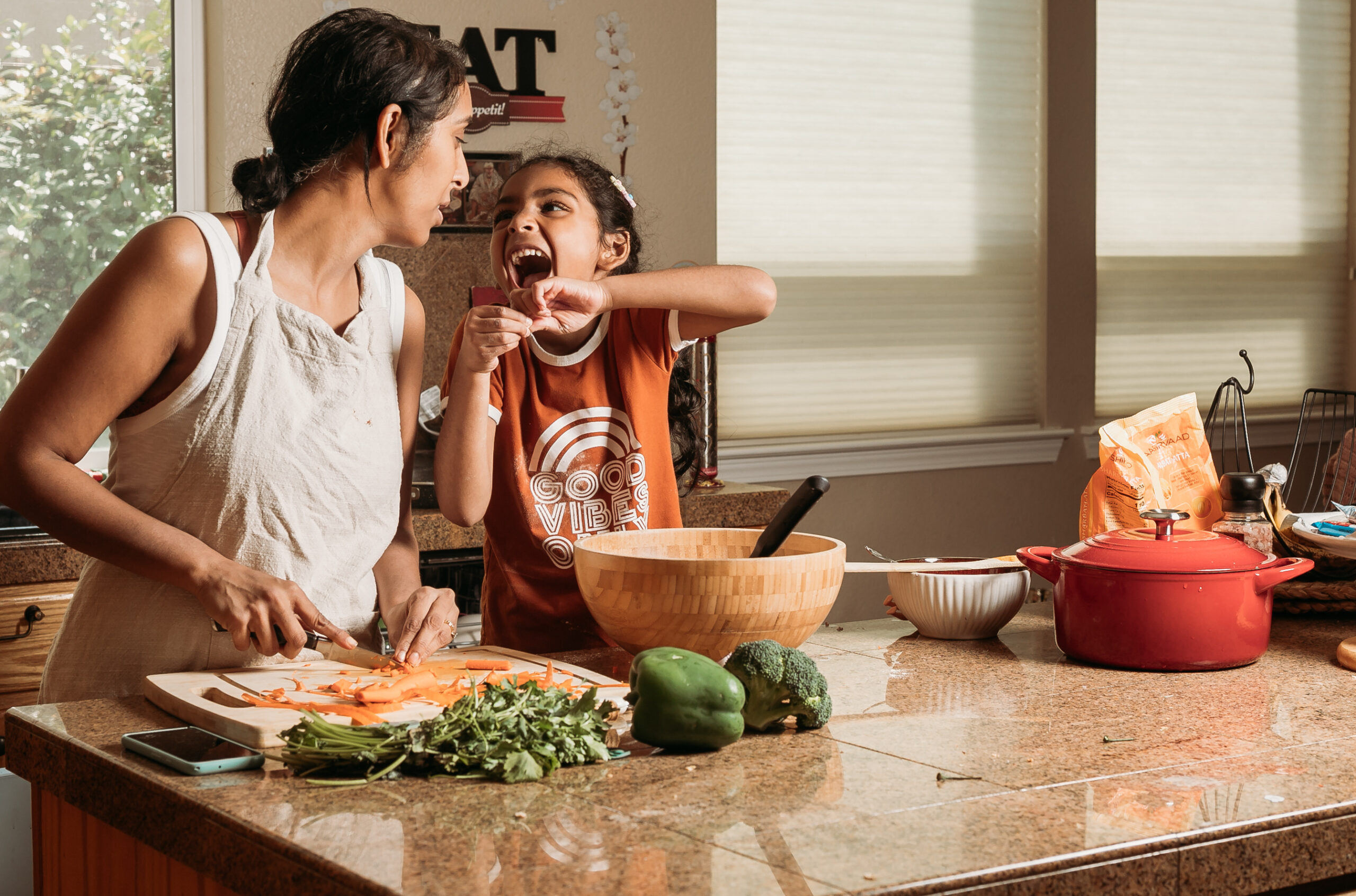
Small changes in what you eat today can lead to a healthier tomorrow. What you eat each day is more than just a choice—it’s a step toward a healthier you.
Choosing healthy foods helps fuel your body, sharpen your mind and create a strong starting point for lifelong wellness. You can build habits that fit your lifestyle while still honoring the cultural traditions that make food meaningful.
Good nutrition is a simple but powerful way to take care of yourself. Eating well helps you stay healthy, avoid illness, and prevent and handle long-term health issues, including obesity, heart disease, diabetes and high blood pressure.1
Food connects us. It’s a way to celebrate, bring people together and share love. You don’t have to give up the dishes you enjoy or the flavors that are part of your culture to eat well. Small changes can make your meals a little healthier without losing what makes them special. Whether it’s tweaking an ingredient or trying a new cooking method, every step you take counts toward a healthier you.
Find care that meets your unique needs. Search our nationwide network of specialists, licensed clinicians and doctors.
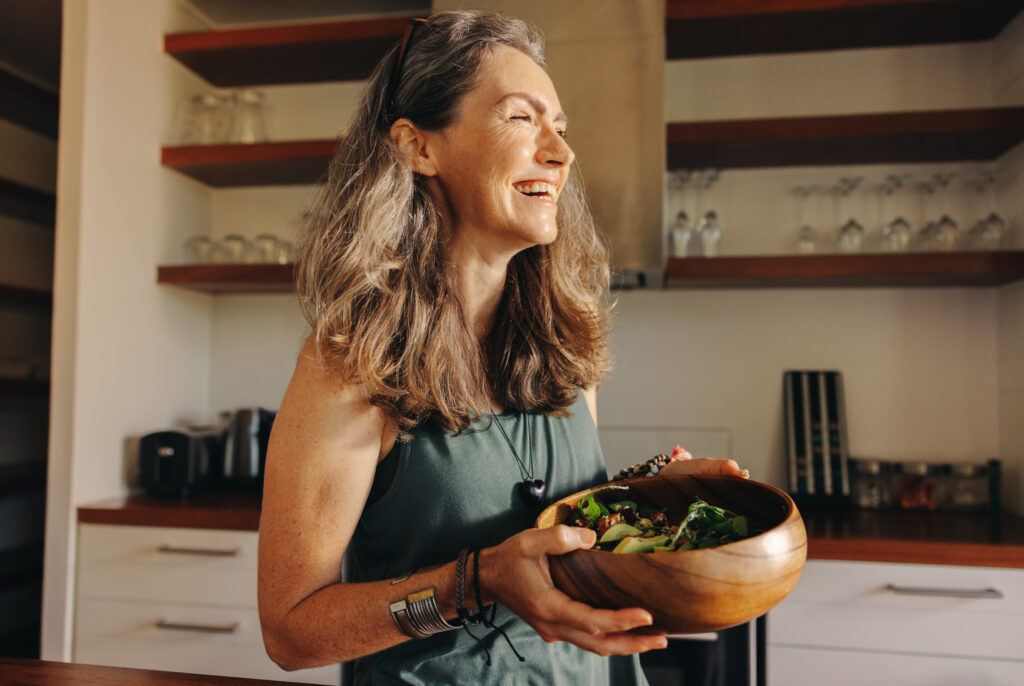
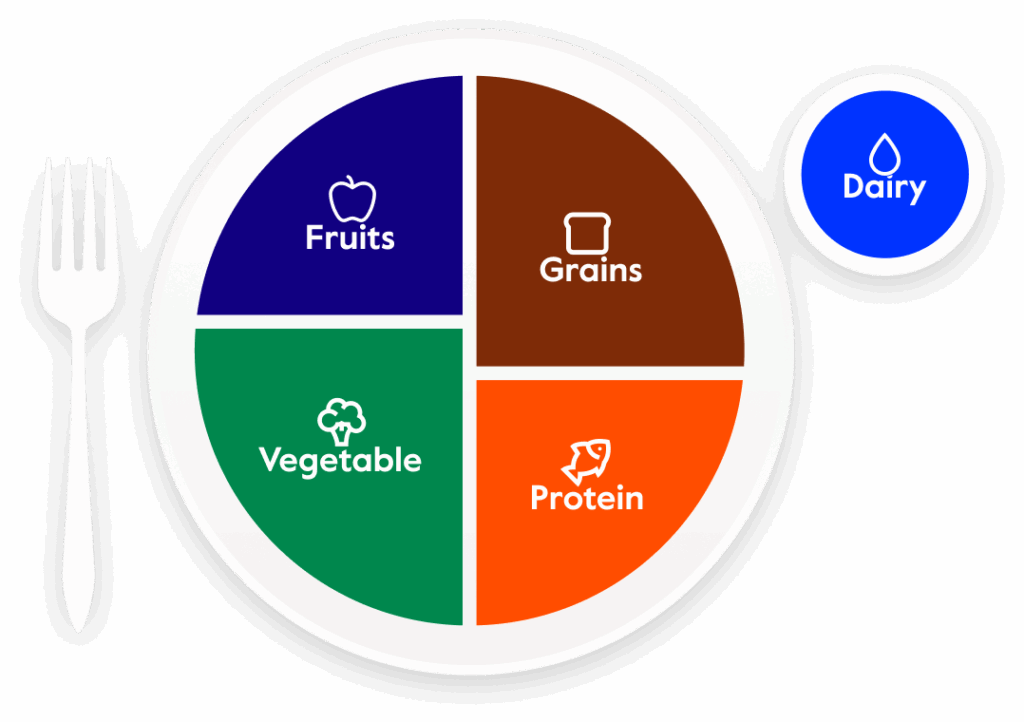
Everyone’s nutritional needs are different. Use MyPlate17 to create a personal food plan based on your age, sex, height, weight and physical activity level.
Keep in mind that serving sizes on nutrition labels are based on the amount that people typically eat or drink, not the amount they should eat or drink. And remember, your plate doesn’t have to look perfect—it’s more about balance.
Talk with your doctor or download the Evernorth® app for help achieving health goals.
The meals we enjoy are often tied to our traditions and heritage, making them uniquely special. Let’s celebrate these flavors and ingredients, along with a few healthy twists to support your well-being.

Hispanic/Latino food is often full of naturally healthy vegetables and proteins. If you’re looking to make your meals even healthier, small tweaks can make a big difference. You can still enjoy the foods you love without giving up flavor or tradition.
For help achieving your health goals and more useful tips, download the Evernorth app.
Many ingredients used in African American/Black cuisine are wholesome and packed with nutrients. If you’re looking to make your meals even healthier, small tweaks can make a difference, letting you enjoy the foods you love without giving up flavor or tradition.
For help achieving your health goals and more useful tips, download the Evernorth app.


South Asian food typically features plenty of healthy and good-for-you ingredients. If you’re looking to make your meals even healthier, small tweaks can make a big difference. You can still enjoy the foods you love without giving up flavor or tradition.
For help achieving your health goals and more useful tips, download the Evernorth app.

Swap for unsweetened applesauce, mashed banana or a no-calorie sweetener that works for cooking and baking.7
Why swap? These options can add sweetness to baked goods while cutting down on added sugar.8
Tip: Try one in your favorite cookie or cake recipe.
Swap for olive oil or avocado oil.
Why swap? These oils are better for your heart.9
Tip: Choose a cooking oil that’s lower in saturated fat for a healthier option.9 Look for “polyunsaturated” or “monounsaturated” fats on the nutrition label.
Swap for quinoa, black or brown rice.
Why swap? These grains have more fiber and nutrients, giving you energy that lasts.10
Tip: Mix quinoa into salads for an extra boost.10
Swap for ground turkey or a plant-based protein.
Why swap? Ground turkey is lower in saturated fat, and plant-based proteins like lentils or beans offer heart-healthy benefits.11
Tip: Spice it up with your favorite seasonings and veggies.11
Swap for sparkling water or infused water.
Why swap? You’ll skip the added sugar but keep the fizz or flavor.12
Tip: Add fresh fruit or herbs to your water for natural flavor.12
Swap for whole-grain bread.
Why swap? Whole grains help you stay full longer and are great for heart health.13
Tip: Look for “100% whole grain” on the label to make the healthiest choice.13
Swap for grilled, baked or pan-fried versions.
Why swap? These choices keep the flavor while cutting back on unhealthy fats.14
Tip: An air fryer or convection oven can help crisp food using 70%–80% less oil.14
Swap for fresh papayas, mangoes, guavas and figs.
Why swap? Natural sugars are a healthier choice for a sweet treat.15
Tip: Save street-food style fruit, which may include added sugars, for special occasions.15
Swap for broccoli, asparagus, peppers, mushrooms and other non-starchy vegetables.
Non-starchy vegetables have fewer carbs and calories.16
Tip: Steam or roast them for a tasty, healthy side dish.16
Quickly search and connect with hundreds of organizations near you.
Find local food pantries, home-delivery meal services, food stamp assistance and more.
Visit findhelp.org for more info.
Ready to make the next step in your health journey? Your future needs you, and a healthier tomorrow starts with the actions you take now. Explore these tools to maintain your health, prevent illness and lower health care costs.
This information is for educational purposes only. It is not medical advice. Always consult your doctor for appropriate examinations, treatment, testing and care recommendations. Any third-party content is the responsibility of such third party. Evernorth Health Services does not endorse or guarantee the accuracy of any third-party content and is not responsible for such content. Your access to and use of this content is at your sole risk.